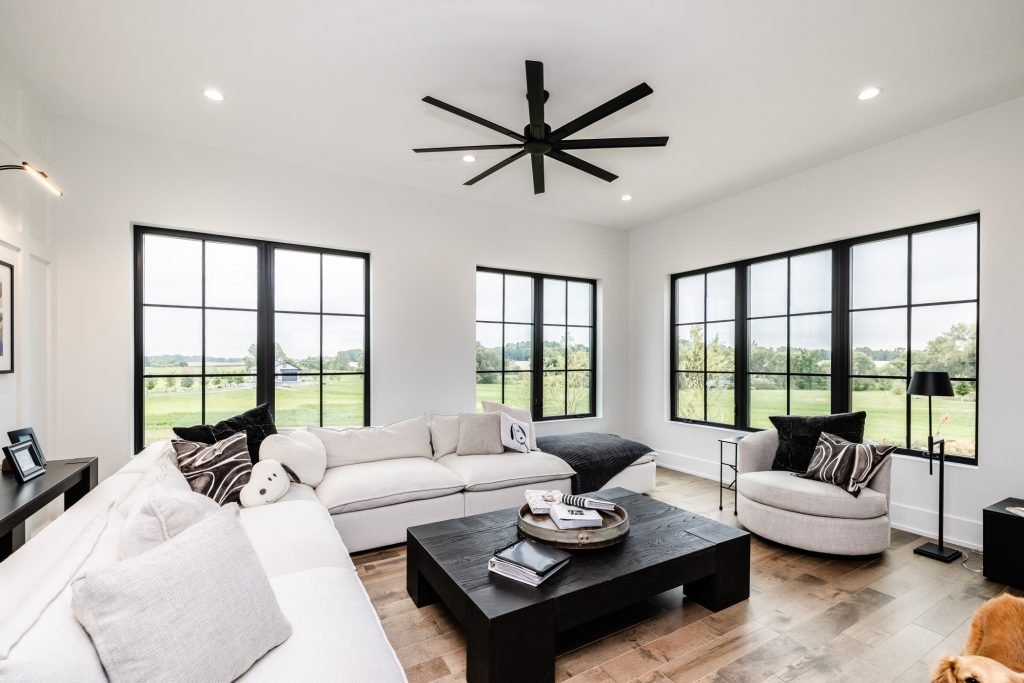
Planning a Smarter Window Upgrade for Long-Term Comfort and Value
Homeowners often begin by assessing why they want new windows: drafts, difficult operation, aging frames, or a desire to refresh curb appeal. Clarifying those drivers sets the scope and helps align choices with outcomes. Define whether comfort, daylight, efficiency, or resale impact takes priority. That simple ranking will guide material selection, glazing packages, and installation methods, keeping the project grounded in what matters most.
Beyond that, materials deserve careful comparison. Vinyl frames offer low maintenance and moisture resistance, while fiberglass brings dimensional stability and a paintable surface. Wood hybrids can preserve a traditional look with modern performance. Verify that the frame and sash profiles fit your climate and architectural style. Meanwhile, specify hardware and locks that feel solid in hand, because everyday touchpoints influence long-term satisfaction more than many realize.
In practice, glass options shape performance as much as frames. Low-E coatings, spacer systems, and gas fills can reduce heat transfer and glare while maintaining clarity. Calibrate choices for each elevation: southern exposures may benefit from stronger solar control, whereas shaded sides might favor visible light. Then review tint and privacy preferences so interior spaces retain the desired warmth and brightness without creating unintended dark rooms.
Often, installation planning determines whether the investment pays off. Decide between full-frame replacement for maximum reset of flashing and insulation, or insert units for less disruption where frames remain sound. Stage rooms so furniture and window treatments are out of the work zone. Sequence crews to minimize dust paths, and buffer schedules to account for weather. Document any existing issues like water staining so remediation responsibilities are clear.
However, openings around windows are a system, not a single product. Flashing, sill pan details, and weather-resistive barriers must integrate properly. Validate that the plan includes backer rod, sealants rated for UV exposure, and insulation that won’t wick moisture. Inspect rough openings for square, plumb, and structural integrity before setting units. A small correction at this step prevents binding sashes and premature wear later.
Meanwhile, accessory considerations can streamline daily living. If pets need access, discuss properly insulated doggy doors that won’t undermine envelope performance. Where rooflines shed heavy rain, gutter guards can reduce splashback and staining near window trim. Align these add-ons with the broader envelope strategy so each component supports water management, ventilation, and ease of upkeep without creating competing priorities.
Then think about compliance and documentation. Permits may apply, especially when modifying structural headers or egress sizes. Maintain product labels until inspections conclude, and keep warranty paperwork in a safe place. Photograph each stage for your records, capturing flashing details and insulation coverage before surfaces are closed. This simple archive supports future maintenance and helps resolve questions years down the road.
Finally, consider lifecycle costs rather than only upfront price. Durable finishes, robust weatherstripping, and balanced sashes reduce service calls and drafts. Plan for seasonal maintenance: gentle cleaning of frames, track vacuuming, and sealant checks at joints where expansion and contraction occur. Refine your approach as you observe how new windows interact with interior humidity and exterior conditions, making small adjustments that extend performance.
As you narrow vendors, evaluate communication, scheduling transparency, and how proposals specify materials and methods. Ask how Residential window & Door replacement services handle disposal and recycling of old frames and glass. Ensure crews protect floors and landscaping, and confirm post-install punch-lists include operation checks for every sash and lock. A vendor who explains sequencing and allows time for walkthroughs helps avoid rework.
Ultimately, a thoughtful plan balances comfort, durability, and aesthetics. Scope the project in phases if needed, starting with problem elevations and expanding as budgets allow. Verify lead times and delivery access, especially on tight lots or multi-story homes. By aligning decisions across materials, glazing, installation details, and accessories, you’ll achieve a window upgrade that feels cohesive, looks right, and performs well season after season.